
Transport Kombinowany: Kompleksowy Przewodnik – Multimodalny
In today's fast-paced world of logistics and freight forwarding, combined transportation is becoming increasingly important. But what exactly is combined transport and why should you consider using it in your supply chain? In this article, we will answer these questions and provide comprehensive information on this important logistics solution.
What is combined transportation?
Combined transport is a form of cargo transportation that uses at least two different modes of transport within a single logistics chain. The key feature of combined transport is that the transported goods remain in the same cargo unit (e.g. container, semi-trailer) for the entire route, and only the mode of transport changes.
In practice, combined transport most often combines road transport with rail, sea or inland waterway transport. At the same time, road transport is usually used only on the initial or final section of the route, which does not exceed a certain distance (usually 150 km in a straight line).
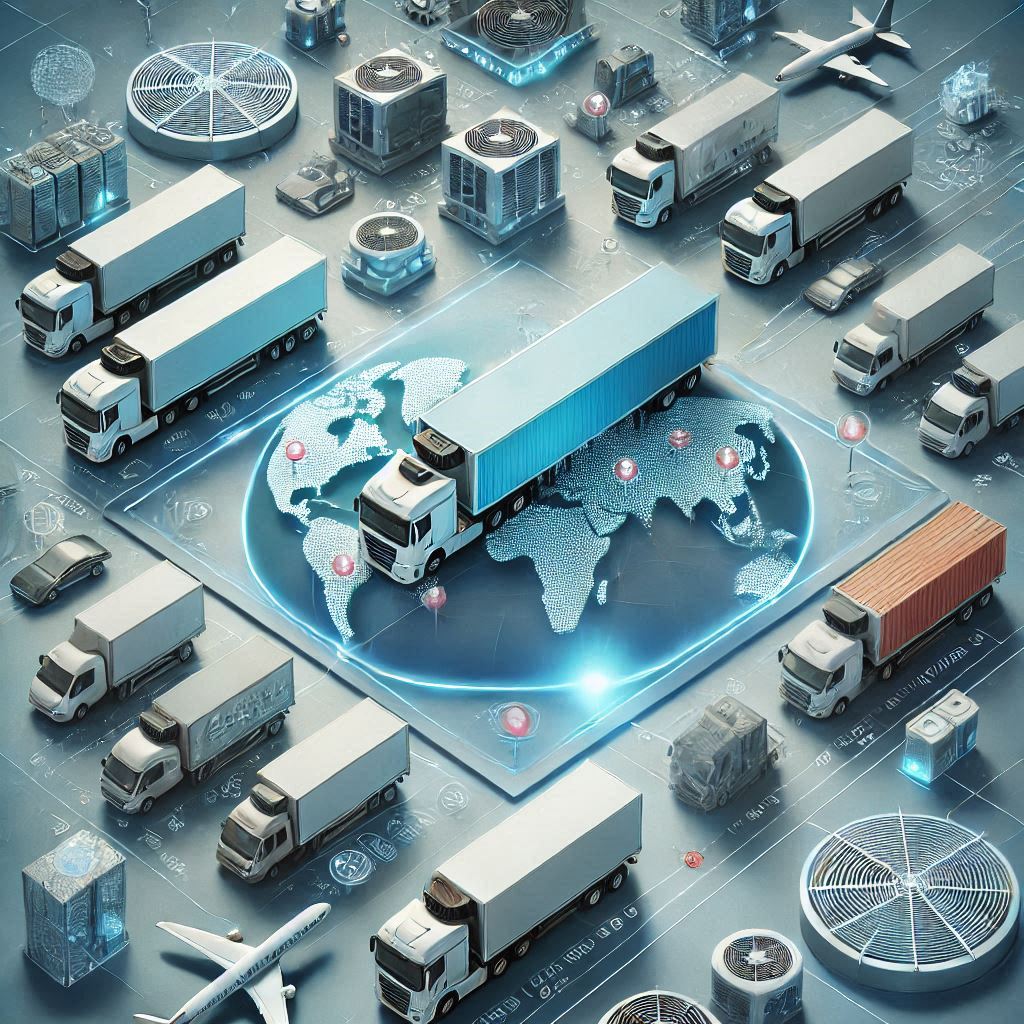
Combined transport vs. other forms of transport
In the context of freight with the use of different modes of transport, terms such as intermodal, multimodal or bimodal transport also often appear. It is worth understanding the differences between them:
Intermodal transport
Intermodal transport is the transportation of goods in one and the same cargo unit using at least two different modes of transport. W Intermodal transport does not involve transshipment of the goods themselves, and only for the transshipment of a cargo unit (such as a container) between different modes of transportation.
Multimodal transport
Multimodal transport also uses at least two modes of transport, but unlike intermodal transport, there may be transshipment of the goods themselves. Multimodal transport is characterized by the fact that the entire process of transport is carried out on the basis of a single contract of carriage, with the carrier being responsible for the entire process.
Bimodal transportation
Bimodal transport is a specific type of combined transport that combines road and rail transport. Road-rail transport, as it is also sometimes called, uses special trailers that can be used for both road and rail transport (when mounted on special rail bogies).
Advantages of combined transport
Combined transport offers many advantages over using a single mode of transportation:
1. cost optimization
One of the main advantages of combined transport is the optimization of transportation costs. By using rail or sea transport over longer distances, costs can be significantly reduced compared to road-only transport.
2 Ecology
Combined transport is more environmentally friendly. The use of rail, inland waterway or maritime transport on major route sections significantly reduces CO₂ emissions compared to road transport.
3 Efficiency
By combining different modes of transportation, you can capitalize on their strengths and minimize their weaknesses. For example, road transport provides flexibility and accessibility, while rail or sea transport are more efficient over longer distances.
4 Security
Combined transport can increase the safety of transported goods. Less handling of the goods themselves (compared to traditional forms of transportation) reduces the risk of damage.
5. relieve pressure on road infrastructure
The use of different modes of transportation helps relieve congested road infrastructure, which contributes to reducing congestion and improving road safety.
How does international combined transport work?
The process of combined transport can be divided into several key stages:
- Loading – towar jest ładowany do jednostki ładunkowej (np. kontenera lub naczepy)
- Road transport – jednostka ładunkowa jest przewożona transportem drogowym do terminalu przeładunkowego
- Reloading – jednostka cargo is transshipped to another means of transport (e.g., railroad, ship)
- Main transportation – jednostka ładunkowa jest transportowana głównym środkiem transportu (kolejowym, morskim)
- Reloading – ponowny przeładunek jednostki ładunkowej na transport drogowy
- Final section – transport drogowy do miejsca docelowego
- Unloading – wyładowanie towaru z jednostki ładunkowej
W International combined transport is possible using more modes of transport and more than one transshipment, depending on the specifics of the route and customer needs.
Types of cargo units in combined transport
Combined transport uses different types of cargo units:
Containers
Containers are the most commonly used cargo unit in combined transport. There are many types of containers suitable for different types of goods (e.g. standard containers, refrigerated containers, tank containers).
Trailers
Semi-trailers can be used in combined transport, especially in the Ro-Ro (Roll-on/Roll-off) system, where semi-trailers are driven onto a ship or loaded onto special railcars.
Interchangeable bodies
Swap bodies are structures similar to containers, but adapted mainly for road-rail transportation. They are lighter than containers and are usually not designed for stacking.
Challenges of combined transport
Despite its many advantages, combined transportation also comes with some challenges:
Infrastructure
Efficient combined transport requires adequate infrastructure, such as transshipment terminals. In some regions, the availability of such infrastructure may be limited.
Coordination
Combined transport requires precise coordination between the various participants in the transportation process. Delays in one link in the chain can affect the entire process.
Transportation time
In some cases, combined transport can be more time-consuming than transport using only one mode, due to additional handling operations.
Combined transport in practice
In practice, combined transport is often used in situations such as:
- Intercontinental transport of goods, where the maritime section is the main part of the route
- Long-distance transportation within a continent, where it is profitable to use rail transportation
- Transports where there are restrictions on road transport (e.g., road regulations, time constraints)
- Situations where cost optimization and carbon footprint reduction are a priority
FAQ - Frequently Asked Questions
What is the difference between intermodal and combined transport?
Combined transport is a form of intermodal transport, but with a limitation on the length of the route traveled by road. In the European Union, it is assumed that road transport in transportation combined should not exceed 150 km as the crow flies from the transshipment terminal.
Is combined transport more expensive than traditional road transport?
Not necessarily. In many cases, combined transport can be cheaper, especially on longer routes, where the use of rail or sea transport generates significant savings compared to road-only transport.
What goods are best suited for combined transport?
Combined transport works best for goods that:
- Not time-sensitive (combined transport may take longer)
- Are transported over long distances
- Have a value that justifies higher unit transportation costs (e.g., electronics)
- Are transported regularly between the same locations
Is combined transport greener?
Yes, combined transport is usually more environmentally friendly than road-only transport. The use of rail or sea transport on major route sections significantly reduces CO₂ emissions.
Summary
Combined transport is a modern logistics solution that combines the advantages of different transport modes, offering cost optimization, lower environmental impact and efficient use of available infrastructure. In the context of rising road transportation costs and increased environmental awareness, combined transport is becoming an increasingly attractive option for companies operating in the global supply chain.
At SLAWA sp. z o.o., we offer comprehensive combined transport solutions tailored to the individual needs of our customers. Our experts will help you choose the optimal form of transport, taking into account the specifics of the cargo, time and budget requirements.
Need more information on combined transportation or want to use our services? Contact us today!
Request a free quote
Odpowiadamy w dniu roboczym. Bez zobowiązań.