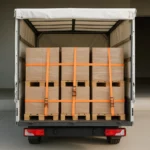


FCL: What Is It? A Complete Guide to Full Container Load
Definition of FCL – Full Container Load
FCL, or Full Container Load, is a term used in maritime logistics to describe a shipment in which a single shipper charters an entire container for its goods. Unlike LCL (Less than Container Load) shipments, where a container is shared among several shippers, FCL means that a single customer has exclusive use of the entire container space.
What is an FCL in practice? It’s a logistics solution that ensures maximum control over the shipment, the safety of the goods, and flexibility in delivery planning. An FCL container can be filled to full capacity or partially—the key point is that the entire shipment belongs to a single shipper.
FCL vs. LCL – Key Differences
Understanding the difference between FCL and LCL is essential for making the right logistics decision:
FCL (Full Container Load):
- Exclusivity – all container for a single sender
- Inspection – full control over the packaging and arrangement of merchandise
- Security – minimal risk of damage and contamination
- Speed – no delays related to consolidation
- Unit cost – lower for larger quantities
LCL (Less than Container Load):
- Cost Sharing – sharing a container with other shippers
- Smaller quantities – ideal for smaller shipments
- Consolidation – extra time to collect cargo
- Limited control – less impact on handling and timing
When should you choose FCL?
The decision to choose FCL should be based on an analysis of several key factors:
Shipment Size
FCL becomes economically viable when:
- The shipment takes up at least 50–60% of the container's capacity
- The merchandise is valuable and requires additional protection
- Regular, high-volume deliveries
Nature of the Goods
FCL is preferred for:
- Fragile goods – susceptible to manipulation
- Hazardous Products – requiring insulation
- Unusually Shaped Cargo – difficult to consolidate
- Groceries – where hygiene is a priority
Time requirements
FCL offers:
- Faster service in ports
- Predictability delivery dates
- No delays related to the consolidation of LCL
Types of FCL Containers
Standard containers:
- 20′ DV (Dry Van) – 33 CBM, up to 21.8 metric tons
- 40′ DV – 67 CBM, up to 26.5 metric tons
- 40′ HC (High Cube) – 76 CBM, up to 26.5 metric tons
Specialized containers:
- Reefer containers – with temperature control
- Open-top – without a hardtop
- Flat rack – for cargo oversized
- Tank containers – for liquids and gases
The FCL Shipping Process
1. Booking and Reservations
The process begins with:
- Space Reservations with the shipping company
- Rate Confirmations and shipping terms
- Scheduling Arrangements Pickup and delivery
2. Preparing the container
- Delivery of an empty container to the sender's warehouse
- Condition Inspection container before loading
- Documenting any damage
3. Stuffing (loading)
- Packaging of Goods into the container
- Load Distribution for optimal use of space
- Security goods prior to transport
- Sealing container
4. Transportation to the port
- Pickup the carrier's container
- Road transport to the port terminal
- Customs Clearance export
5. Shipping
- Loading onto the ship
- Maritime transport to the port of destination
- Unloading at the port of destination
6. Delivery
- Customs Clearance import
- Road transport to the destination
- Destuffing (unloading) at the recipient's location
FCL Documentation
Key documents:
- Bill of Lading (B/L) – primary shipping document
- Commercial Invoice – sales invoice
- Packing List – Detailed list of contents
- Certificate of Origin – certificate of origin
- Insurance Certificate – insurance policy
Additional documents:
- Dangerous Goods Declaration – for hazardous cargo
- Phytosanitary Certificate – for agricultural products
- Health Certificate – for food products
FCL Cost Calculation
Main cost components:
- Ocean freight – base rate for ocean freight
- Terminal Handling Charges (THC) – port fees
- Documentation fee – documentation fees
- Fuel surcharge (BAF/CAF) – fuel allowances
- Security fees – security fees
Additional costs:
- Inland transportation – road transport to/from the port
- Customs clearance – customs clearance
- Storage fees – storage fees
- Insurance – cargo insurance
Incoterms for FCL
Choosing the right Incoterms affects the allocation of costs and responsibilities:
Most Popular on FCL:
- FOB (Free on Board) – The seller bears the costs up to loading onto the ship
- CIF (Cost, Insurance, Freight) – The seller covers shipping and insurance
- EXW (Ex Works) – The buyer arranges all transportation
- DDP (Delivered Duty Paid). – the seller delivers the goods with customs clearance
Risk Management at FCL
Main types of risk:
- Transportation risk – damage during transport
- Weather-related delays – weather-related delays
- Port congestion – port congestion
- Documentation Errors – documentation errors
Risk Mitigation Methods:
- Comprehensive insurance – full cargo insurance
- Proper packaging – proper packaging
- Container Inspection – pre-loading inspection
- Tracking systems – real-time package tracking
FCL in a multimodal context
FCL is often part of a broader multimodal chain:
Pre-carriage:
- Road/rail transport to the port of shipment
- Pre-export Storage
- Consolidation from Various Locations
On-carriage:
- Transport from the port of destination
- Distribution to end users
- Warehousing and Cross-Docking
SLAWA sp. z o.o. and FCL Services
SLAWA sp. z o.o., specjalizując się w transporcie drogowym i logistyce, odgrywa istotną rolę w łańcuchu FCL jako partner w:
- Pre-carriage – freight to seaports
- On-carriage – distribution following import
- Intermodal Solutions – combining maritime and road transport
- Documentation Support – assistance with preparing documentation
- Warehousing Services – storage before and after ocean transport
With 15 years of experience and advanced monitoring systems, the company ensures seamless integration between road and sea transport.
Trends in FCL Shipping
Digitization:
- Electronic Bill of Lading – digital shipping documents
- IoT containers – containers with sensors
- Blockchain – secure document exchange
- AI optimization – artificial intelligence in planning
Sustainability:
- Green shipping – eco-friendly solutions
- Carbon footprint – tracking CO2 emissions
- Alternative fuels – alternative fuels for ships
- Optimized routing – route optimization to reduce emissions
The Future of FCL
FCL shipping will evolve toward:
- Greater automation ports and terminals
- Smart Containers with advanced sensors
- Sustainable logistics – a greater focus on environmental protection
- Digital Integration – full digitization of processes
Summary
FCL (Full Container Load) is an efficient solution for companies shipping larger quantities of goods by sea. It offers maximum control, security, and often better value than LCL solutions. The key to success is proper planning, selecting the right type of container, and working with experienced logistics partners.
The decision to choose FCL should take into account the size of the shipment, the nature of the goods, time constraints, and the budget. With proper planning, FCL can significantly optimize international shipping costs and ensure a higher quality of logistics service.
SLAWA sp. z o.o. offers comprehensive support in organizing transportation intermodal transport, combining road transport with FCL services at major European ports.
Request a free quote
Odpowiadamy w dniu roboczym. Bez zobowiązań.