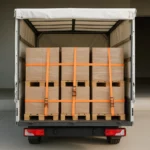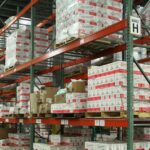


Transportation of mineral fertilizers is a key component of the global agrochemical supply chain, requiring a specialized approach due to the chemical properties of the substances transported and stringent safety regulations. Nitrogen, phosphorus, potassium, calcium and chloride fertilizers are essential agrochemical products requiring different transportation and security methods. SLAWA sp. z o.o., with 15 years of experience in specialized transportation, offers professional solutions for the agricultural industry with full certification support and 24/7 monitoring.

Characteristics of mineral fertilizers in transport
Classification and transport properties
Nitrogen fertilizers, including urea, ammonium nitrate and ammonium sulfate, require special care due to their potential explosive hazard and oxidizing properties. The transport of these substances is regulated by ADR as hazardous materials of class 5.1 (oxidizing substances) and 9 (miscellaneous hazardous substances).
Phosphate fertilizers have a high density and a tendency to clump during transport, requiring specialized loading and unloading systems. Triple superphosphate or diammonium phosphate require moisture control and suitable corrosion-resistant construction materials.
Potassium and chloride fertilizers are less problematic to transport, but their hygroscopic nature requires protection from moisture and the use of appropriate packaging or airtight containers.
ADR requirements and transport safety
Transportation of materials agrochemicals requires that drivers have ADR authorizations and that vehicles are properly marked according to UN classification. SLAWA sp. z o.o. is fully authorized ADR and specialized vehicles adapted for the transportation of hazardous materials With insurance up to €1,000,000.
Emergency procedures include detailed instructions for dealing with product spills, contact with rainwater, and firefighting measures tailored to the specific fertilizer being transported.
Transportation methods and logistics
Transport samochodowy – elastyczność i dostępność
Transport drogowy nawozów mineralnych oferuje największą elastyczność w zakresie dostępu do odbiorców końcowych – gospodarstw rolnych, punktów dystrybucji oraz składów magazynowych. Wykorzystywane są różne typy pojazdów: od wywrotek dla nawozów sypkich po cysterny pneumatyczne dla produktów pylastych.
SLAWA sp. z o.o. offers comprehensive transport solutions Road with optimization of routes, consideration of seasonality of agricultural demand and coordination of deliveries according to fertilizer schedules. The company provides 24/7 availability and the ability to transportation express in urgent situations.
Rail and intermodal transport
Rail transportation is an efficient method of transporting large quantities of fertilizer over long distances, especially from import ports to distribution centers. Cover hopper wagons and rail tank cars make it possible to transport tens of tons of product in a single unit.
Intermodal solutions linking transportation kolejowy z drogowym pozwalają na optymalizację kosztów przy zachowaniu elastyczności dostaw door-to-door. SLAWA sp. z o.o. współpracuje z operatorami kolejowymi oferując kompleksową obsługę logistyczną od portu do gospodarstwa.

Maritime transport and specialized ports
Port infrastructure for fertilizer
The Baltic, Black and Caspian Sea ports are key import hubs for mineral fertilizers. Specialized terminals equipped with silos, pneumatic systems and conveyor belts enable the efficient handling of ships of up to 250,000 tons.
Maritime transport offers the lowest unit costs over long distances, but requires precise coordination with land transportation and management of weather risks affecting delivery schedules.
Global supply chains
The international fertilizer market is characterized by complex supply chains linking producers in the US, Canada, Russia and China with customers in different regions of the world. Optimization of these chains requires advanced logistics planning and management geopolitical risks.
SLAWA sp. z o.o. offers advice on optimizing international fertilizer supply chains, taking into account regulatory aspects, seasonality and changing market conditions.
Seasonality and supply planning
Agricultural cycles and fertilizer demand
Demand for mineral fertilizers is characterized by pronounced seasonality related to crop cycles. The periods of spring fertilization (March-May) and autumn fertilization (September-November) generate peak demand for shipping services.
Delivery planning must take into account time windows for fertilizer application, weather conditions and the availability of agricultural equipment. Logistics companies must secure adequate transportation capacity during peak periods.
Strategic inventory management
Farmers and fertilizer distributors often build up strategic stocks outside peak seasons, taking advantage of more favorable prices and greater availability of services transportation. This requires access to adequate storage infrastructure and working capital financing.

Environmental and regulatory aspects
Environmental protection in fertilizer transportation
Transportation of mineral fertilizers must take into account potential environmental risks, especially in the event of accidents or cargo spills. Environmental procedures include protection against groundwater and soil contamination.
REACH and other EU chemical regulations impose additional requirements on participants in the fertilizer supply chain, including information obligations and risk management procedures.
Sustainability in fertilizer logistics
Increasing sustainability requirements are driving the development of green solutions in fertilizer transportation. The optimization of routes, the use of bio-components in fuels and the development of rail transportation are all contributing to the reduction of the carbon footprint.
SLAWA sp. z o.o. invests in a modern, low-emission fleet and implements route optimization systems that minimize fuel consumption while maintaining on-time delivery.
Operational challenges and solutions
Technical and logistical problems
Transportation of mineral fertilizers presents specific technical challenges: corrosion of transport equipment, product clumping and flow problems bulk materials. Solutions include the use of corrosion-resistant materials, fluidization systems and anti-caking additives.
Cargo temperature management is particularly important for temperature-sensitive fertilizers. Some products require cooling or maintaining a constant temperature during transport.
Optimize cost and efficiency
Cost pressures in agriculture are forcing optimization of fertilizer logistics spending. Consolidation of loads, planning of return routes and use of intermodal transport allows to reduce unit costs.
Telematics and IoT systems enable real-time monitoring of shipments, optimization of fleet utilization and predictive maintenance of specialized vehicles.
The future of mineral fertilizer transportation
Technological innovations
Automation of loading and unloading processes, pneumatic transport systems and Industry 4.0 solutions will shape the future of fertilizer logistics. Autonomous vehicles may find application especially in transportation between port terminals and distribution centers.
Blockchain and traceability systems will support quality management and compliance in complex international mineral fertilizer supply chains.
Sustainable agricultural development
Trends toward precision agriculture and precision fertilization are affecting logistics requirements. Smaller but more frequent deliveries of fertilizer with optimized composition require more flexible transportation systems.
The development of extended-release fertilizers and specialty products will require adapting logistics systems to meet new storage and transportation requirements.
Mineral fertilizer transportation is a key component of the global food system, requiring expertise, certification and infrastructure. SLAWA sp. z o.o., combining expertise in specialized transportation with state-of-the-art technology, offers comprehensive services to the agrochemical industry. The company ensures safety, timeliness and compliance with strict regulations, supporting the efficiency of modern agriculture through reliable mineral fertilizer supply chains.
Request a free quote
Odpowiadamy w dniu roboczym. Bez zobowiązań.