
Truck transportation is based on various types of trailers adapted to the specifics of the cargo being transported. Choosing the right type of semi-trailer is crucial to the safety, efficiency and cost of transportation. SLAWA sp. z o.o., with 15 years of experience in specialized transportation, uses a wide range of trailers adapted to the requirements of various industries, with a particular focus on pharmaceutical transportation requiring precise control of conditions.

Universal trailers - the basis of road transport
Curtain (curtain) trailer
Naczepa firanka stanowi najbardziej uniwersalny typ w transporcie europejskim. Charakteryzuje się bocznymi plandekami rozsuwanymi na prowadnicach, umożliwiającymi dostęp do ładunku z każdej strony. System „firanek” pozwala na częściowe otwieranie tylko wybranych sekcji, co jest szczególnie przydatne przy wielopunktowych dostawach.
Firanka sprawdza się idealnie w transporcie towarów paletowych, wyrobów tekstylnych, elektroniki oraz produktów farmaceutycznych wymagających kontrolowanego dostępu. SLAWA sp. z o.o. wykorzystuje naczepy firankowe wyposażone w systemy kontroli temperatury od -20°C do +25°C dla produktów wrażliwych na warunki środowiskowe.
Tarpaulin trailer
A tarpaulin trailer differs from a curtainsider in its vertical tarp lifting system, which allows loading from the top. The mechanism can be manual or hydraulic, with hydraulic systems gaining popularity due to operational efficiency.
This type of semi-trailer is dominant in the transportation of construction materials, precast concrete products and loads that require loading with overhead cranes. The ability to completely expose the cargo space from above makes it indispensable in specialized transportation.
Van (box) trailer
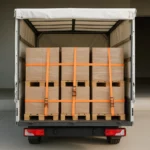
The van trailer features a rigid body for maximum cargo protection. Loading is from the rear only, which limits operational flexibility, but provides the best protection against weather and theft.
Vans are preferred for transporting electronics, furniture, groceries and high-value products. Their robust construction makes them a frequent choice for highly insured shipments, such as those offered by the SLAWA sp. z o.o. Up to €1,000,000.

Specialized trailers - demanding transportation
Refrigerated trailer
Refrigerated transport represents a specialty requiring precise temperature control. Refrigerated trailers are equipped with autonomous refrigeration units capable of maintaining temperatures from -30°C to +30°C with an accuracy of ±0.5°C.
SLAWA sp. z o.o., specializing in pharmaceutical transportation, has a fleet of coolers z systemami monitoringu 24/7, backup’owymi źródłami zasilania oraz certyfikacjami GDP (Good Distribution Practice). Chłodnie są niezbędne w transporcie leków, szczepionek, produktów biotechnologicznych oraz żywności mrożonej.
Isothermal trailer
The isotherm maintains a stable temperature without active cooling by using thermal insulation. It is used to transport products that require protection from temperature fluctuations but do not require active cooling.
This type of trailer works well for transporting shelf-stable food products and some pharmaceutical products. The operating costs of an isotherm are significantly lower than a refrigerated truck, making it an economical alternative for suitable cargoes.
Tank trailer
Transporting liquids requires specialized tankers tailored to the characteristics of the substances being transported. Tankers vary in design depending on whether they carry food (milk, oils), chemicals or fuels.
SLAWA sp. z o.o. has the authority ADR allowing transport of hazardous materials in tankers, which requires specialized safety equipment and properly trained personnel.
Trailers for special loads
Tipper trailer
Wywrotki, nazywane potocznie „wannami”, są przeznaczone do bulk material transport. They feature an open box with a hydraulic tilting mechanism for quick unloading.
The design of dump trucks must take into account the even distribution of pressure when tilting and resistance to abrasion when transporting abrasive materials. They are indispensable in the construction, agricultural and mining industries.
Platform trailer
The platforms are used for cargo transport Oversized items that do not fit into standard enclosed trailers. The absence of side walls and roof allows the transportation of machinery, steel structures, prefabricated elements and other items of unusual dimensions.
Transport platformowy często wymaga specjalnych pozwoleń oraz pilotażu, szczególnie przy przekraczaniu limitów gabarytowych. SLAWA sp. z o.o. oferuje kompleksową obsługę transportu specjalistycznego z załatwianiem wszystkich formalności.
Highly specialized trailers
Sub-container trailer
Subcontainers are designed specifically for transporting shipping containers 20′, 40′ oraz 45. Ich konstrukcja umożliwia szybkie załadowanie i zabezpieczenie kontenerów oraz sprawny transport w ramach logistics intermodal.
Intermodal transport connects different modes of transportation (sea, rail, road), which requires standardization and precise fastening systems. Subcontainers are crucial in the operation of seaports and rail terminals.
Trailer with movable floor
Moving floor systems allow automatic unloading without the need for additional equipment. Hydraulic or pneumatic drives move the load toward the rear of the trailer, greatly speeding up unloading operations.
These trailers prove themselves in transportation bulk materials, waste and palletized loads requiring quick unloading. The moving floor system reduces labor costs and vehicle downtime.
Low loader trailer
Low-loader trailers make it possible to transport high loads while maintaining dimensional limits. A lowered cargo platform is created by using wheels with a smaller diameter and a special suspension design.
They are indispensable for transporting agricultural machinery, construction vehicles and other high-height loads. Low-loader transport often requires planning routes that avoid height-restricted bridges.
Technical requirements and certifications
Safety and approval
All types of trailers must meet stringent safety requirements and have the appropriate approvals. Braking systems, lighting, cargo securing and construction must comply with European standards.
SLAWA sp. z o.o. keeps its fleet of trailers in top technical condition, performing regular maintenance and upgrades in accordance with the latest regulations. All vehicles are equipped with telematics systems for 24/7 monitoring.
Industry certifications
Specialized transportation requires additional certifications. GDP for pharmaceuticals, HACCP for food, ADR for hazardous materials – każda branża ma swoje specyficzne wymagania.
The certification process covers not only trailers, but also personnel, procedures and quality systems. SLAWA sp. z o.o. has all the necessary certifications to serve the most demanding industries.
Trends and innovations
Automation and digitization
Modern trailers integrate advanced telematics systems, IoT sensors and automated cargo management systems. These technologies enable route optimization, predictive maintenance and enhanced safety.
Ecology and sustainability
Increasing environmental requirements are influencing the design of trailers. Lighter materials, better aerodynamics and energy recovery systems are becoming standard in modern transportation.
The types of trailers in truck transportation must be precisely matched to the specifics of the cargo being transported and the industry requirements. SLAWA sp. z o.o., offering a comprehensive range of specialized trailers with the highest certifications and monitoring systems, provides optimal solutions for any type of transport, from standard pallet loads to the most demanding pharmaceutical shipments requiring temperature control and full documentation supply chain.
Request a free quote
Odpowiadamy w dniu roboczym. Bez zobowiązań.