
Przewóz Kabotażowy: Na Czym Polega Transport Kabotażowy w UE?
What is cabotage carriage - definition
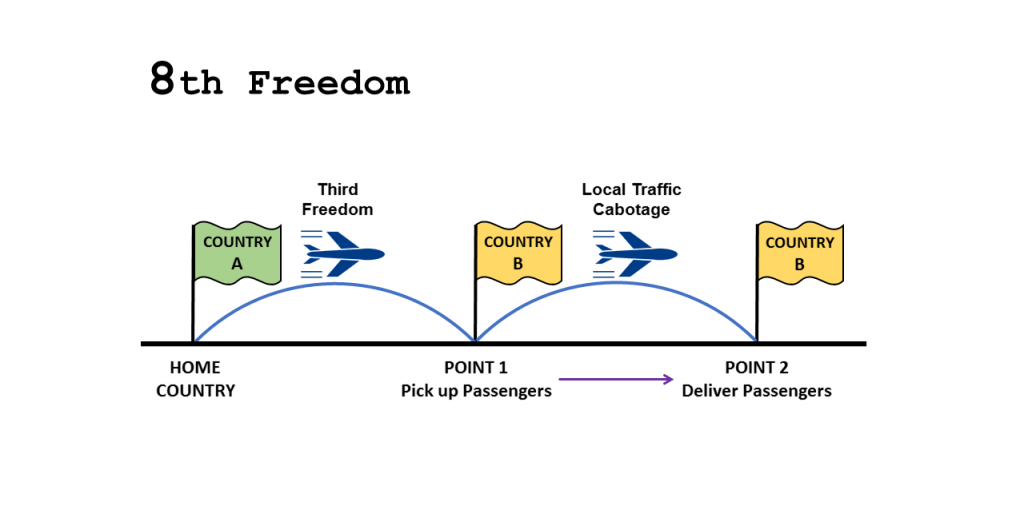
Przewóz kabotażowy to zarobkowy transport ładunku wykonywany przez przewoźnika zarejestrowanego w jednym kraju na terytorium innego kraju. Kabotaż umożliwia firmom transportowym z krajów członkowskich UE lub EFTA wykonywanie transportu drogowego na terytorium innego państwa członkowskiego, pod warunkiem spełnienia określonych wymagań prawnych.
Definicja kabotażu została uregulowana w rozporządzeniu Parlamentu Europejskiego i Rady, które precyzyjnie określa zasady i ograniczenia dotyczące tego typu transportu. Kabotaż to pojęcie kluczowe w transporcie drogowym, które pozwala na optymalizację wykorzystania floty transportowej i zmniejszenie pustych przebiegów między krajami.
Cabotage rules in the European Union
Transport kabotażowy może zostać rozpoczęty wyłącznie po wykonaniu transportu międzynarodowego z doświadczeniem rozładunku towaru dostarczonego z innego państwa. Zgodnie z przepisami, dostawy w ramach kabotażu powinny odbywać się tym samym pojazdem, którym wykonano poprzedni international transport.
Kluczowe zasady wykonywania przewóz kabotażowy:
- Time limitation – kabotażowy przewóz musi zostać wykonana do 7 dni od zakończenia rozładunku towarów przewiezionych w ramach transportu międzynarodowego
- Vehicle – dostawy muszą być wykonane tym samym pojazdem, którym realizowano international transport
- Registration – przewoźnik musi posiadać pojazd zarejestrowany w jednym z krajów członkowskich UE lub EFTA
- License – konieczna jest ważna licencja transportowa according to the law of the country of registration
Regulacja ta ma na celu zapewnienie uczciwej konkurencji między przewoźnikami z różnych państw członkowskich przy jednoczesnym umożliwieniu efektywnego wykorzystania pojazdów transportowych.
Cabotage regulations - Mobility Package
Przepisy dotyczące przewozu kabotażowego zostały znacząco zmodyfikowane w ramach Pakietu Mobilności przyjętego przez UE. Te nowe regulacje wprowadzają bardziej restrykcyjne zasady wykonywania kabotażu, mające na celu wyeliminowanie nieuczciwych praktyk konkurencyjnych.
Główne zmiany w Pakiecie Mobilności:
- Ograniczenie częstotliwości – przewoźnik może wykonywać kabotaż tylko po międzynarodowym transporcie
- Working time control – sztywne przestrzeganie czasów pracy i odpoczynku kierowców
- Wynagrodzenie kierowców – obowiązek wypłacania wynagrodzeń zgodnie z minimalnymi stawkami kraju, w którym wykonuje się kabotaż
- Monitoring – zwiększenie kontroli nad przestrzeganiem przepisów
Requirements for carriers performing cabotage
Aby móc wykonywać przewóz kabotażowy, przewoźnik transportowy musi spełnić szereg wymogów formalnych i operacyjnych:
Formal Requirements:
- Transport license – ważna licencja na wykonywanie transportu drogowego
- Vehicle registration – pojazd musi być zarejestrowany w kraju członkowskim UE lub EFTA
- Insurance – odpowiednie ubezpieczenie OC przewoźnika
- Permits – w niektórych przypadkach dodatkowe zezwolenia krajowe
Operational requirements:
- International transport – wcześniejsze wykonanie transportu międzynarodowego z rozładunkiem
- Documentation – international bill of lading CMR potwierdzający poprzedni transport
- Deadline – przestrzeganie 7-dniowego terminu od rozładunku
- The same vehicle – używanie tego samego pojazdu co w transporcie międzynarodowym
Types of cabotage
W transporcie drogowym rozróżnia się dwa główne rodzaje kabotażu:
Kabotaż wielki
Kabotaż wielki polega na wykonywaniu przewozów kabotażowych przez dłuższy okres w danym kraju, z możliwością wykonania wielu operacji transportowych. Ten typ kabotażu był bardziej powszechny przed wprowadzeniem aktualnych regulacji.
Kabotaż mały
Kabotaż mały to ograniczona forma kabotażu, pozwalająca na wykonanie tylko jednego przewozu kabotażowego w ciągu 7 dni od zakończenia transportu międzynarodowego. To obecnie obowiązująca forma kabotażu w UE.
Inspections and enforcement
Główny Inspektor Transportu Drogowego w poszczególnych krajach członkowskich odpowiada za kontrolowanie przestrzegania przepisów dotyczących kabotażu. Przewoźnicy muszą być przygotowani na kontrole, które mogą obejmować:
- Sprawdzenie dokumentów transportowych (CMR)
- Weryfikację czasów driver's work
- Kontrolę zgodności pojazdu z wymaganiami
- Sprawdzenie terminów wykonywania kabotażu
Benefits and challenges of cabotage transport
Korzyści dla przewoźników:
- Zmniejszenie pustych przebiegów – możliwość załadunku na drodze powrotnej
- Cost Optimization – lepsze wykorzystanie pojazdu i kierowcy
- Zwiększenie konkurencyjności – dostęp do dodatkowych rynków transportowych
- Elastyczność operacyjna – możliwość reagowania na lokalne zapotrzebowanie
Challenges and constraints:
- Complicated regulations – konieczność znajomości regulacji w różnych krajach
- Time constraints – sztywne ramy czasowe 7 dni
- Zwiększone kontrole – ryzyko kar za nieprzestrzeganie przepisów
- Price competition – presja na marże w segmencie kabotażu
Cabotage in practice - procedures
Proces wykonywania przewozu kabotażowego wymaga starannego planowania i dokumentowania:
- Route planning – uwzględnienie możliwości kabotażu już na etapie planowania transportu międzynarodowego
- Dokumentacja transportu głównego – przygotowanie międzynarodowego listu przewozowego CMR
- Unloading – przeprowadzenie całkowitego lub częściowego rozładunku towaru dostarczonego z innego kraju
- Załadunek kabotażowy – załadunek nowego towaru w ciągu 7 dni od dnia rozładunku
- Domestic transport – wykonanie przewozu kabotażowego zgodnie z lokalnym prawem
- Documentation – właściwe udokumentowanie przewozu kabotażowego
The future of cabotage in the EU
Regulacje dotyczące kabotażu w krajach Unii Europejskiej są przedmiotem ciągłych dyskusji i potencjalnych zmian. Pakiet Mobilności wprowadził znaczące ograniczenia, ale debata na temat przyszłości kabotażu trwa nadal.
Trends and Prospects:
- Digitization of control – wprowadzanie elektronicznych systemów monitorowania
- Harmonizacja przepisów – dążenie do ujednolicenia regulacji w całej UE
- Sustainability – nacisk na ekologiczne aspekty transportu
- Fair competition – dalsze działania na rzecz wyrównania warunków konkurencji
Cabotage carriage - summary
Kabotaż w transporcie drogowym to istotny element europejskiego systemu transportowego, umożliwiający przewoźnikom optymalizację wykorzystania floty i redukcję pustych przebiegów. Jednak wykonywanie kabotażowy przewóz wymaga głębokiej znajomości przepisów, starannego planowania i ścisłego przestrzegania regulacji.
Przewoźnicy chcący móc wykonywać kabotaż muszą spełnić wszystkie wymagania formalne, posiadać odpowiednie licencje i zezwolenia, oraz być przygotowanymi na kontrole przeprowadzane przez organy krajowe. W kontekście Pakietu Mobilności, zasady kabotażu stały się bardziej restrykcyjne, co wymaga od firm transportowych jeszcze większej precyzji w planowaniu i wykonywaniu tego typu operacji.
Definition of carriage kabotażowego i regulacje z nią związane będą prawdopodobnie ewoluować wraz z rozwojem rynku transportowego UE. Dla przewoźników kluczowe jest śledzenie zmian przepisów i dostosowywanie swoich operacji do aktualnych wymagań prawnych.
Wykonywanie przewozów kabotażowych może przynieść znaczne korzyści ekonomiczne, ale wymaga profesjonalnego podejścia, znajomości prawa transportowego oraz właściwej organizacji procesów logistycznych. W dzisiejszym konkurencyjnym środowisku transportowym, kabotaż może stanowić ważne uzupełnienie działalności przewozowej, pod warunkiem przestrzegania wszystkich obowiązujących regulacji.
SLAWA sp. z o.o. oferuje profesjonalną obsługę transportu międzynarodowego i doradztwo w zakresie przewozów kabotażowych. Nasz doświadczony zespół pomoże w planowaniu tras i zapewni zgodność z przepisami UE dotyczącymi kabotażu.
Request a free quote
Odpowiadamy w dniu roboczym. Bez zobowiązań.